For Irish Olympian Sophie Becker, what she puts into her body matters just as much as the work she puts in on the track. Training, recovery and nutrition all play a role in helping her perform at her best, and natural yoghurt is one of the nutritious foods she includes in her diet.
But while Becker understands the role food plays in supporting her performance, she is curious to learn about what goes into producing it.
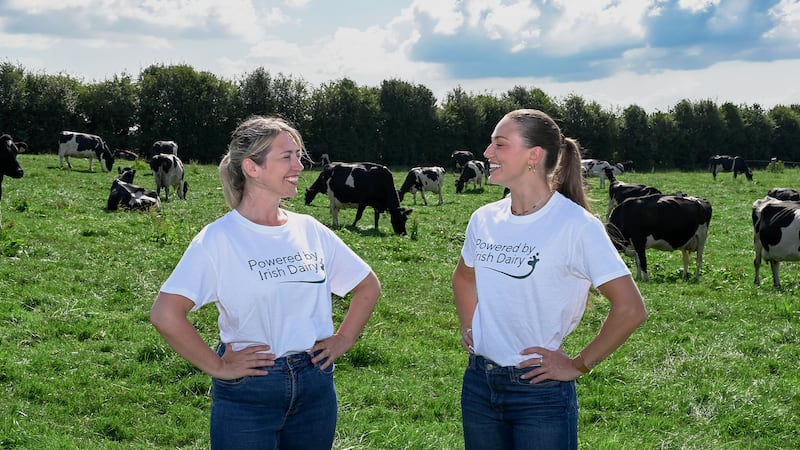
That’s why she’s swapping the athletics track for a dairy farm in Templemore, Co Tipperary, to meet National Dairy Council farmer ambassador Katie Gleeson and discover the journey behind Irish milk, from the grass cows graze to the nutritious dairy products enjoyed every day.
For Gleeson, it’s an opportunity to show Becker what modern Irish dairy farming looks like, and to learn more about how the food produced from milk can support an elite athlete’s demanding routine.
RM Block


Together, they’re exploring the connection between two very different worlds, and discovering why what’s happening on the farm matters long before a pot of yoghurt reaches the fridge.
For Gleeson, producing quality milk begins with the everyday decisions she makes on her family farm. From managing grass growth and maintaining healthy soil to caring for her herd, each part of the farming process contributes to producing the milk that eventually becomes nutritious dairy products, such as yoghurt, found in Irish fridges every day.
And Gleeson is continually looking for ways on the farm to improve how that milk is produced.
Unlike many Irish dairy farmers, Gleeson didn’t grow up on a dairy farm. After meeting her husband, Phil, and pursuing a future in farming, she decided to return to education to better understand the science behind the practices she was putting into action. Now in the final year of her degree, BSc in agricultural science and sustainability, she’s combining what she’s learning in the classroom with practical experience on the farm. One example is her use of clover.
Clover works with bacteria in nodules on its roots to capture nitrogen from the atmosphere and convert it into a form that plants can use to grow. By incorporating clover into grassland, farmers can reduce their reliance on manufactured nitrogen fertiliser, helping to lower associated emissions while providing high-quality feed for grazing cows.
It’s one of the ways Gleeson is working to improve the environmental impact of her farm without compromising her focus on producing quality milk. For Gleeson, sustainability isn’t a single action or a box to tick. It’s an ongoing process of learning, adapting and making improvements, whether that’s managing nutrients more efficiently, supporting soil health or protecting water quality. And it’s a process that increasingly combines traditional farming knowledge with science and technology.
As Becker explores Gleeson’s farm, she gets a first-hand look at the work that goes into producing Irish milk. Meeting the herd, visiting the milking parlour and heading out into the fields gives her a new perspective on the care and planning involved in dairy farming.
One of the tools Gleeson introduces is a rising plate meter, used to measure the amount of grass available for cows to graze. By regularly monitoring grass growth, Gleeson can make informed decisions about how to manage her pastures and make efficient use of the grass her farm produces. It’s a practical example of how even small decisions can make a difference to the way a farm operates.
For Becker, whose own training involves carefully planned sessions, monitoring progress and making adjustments based on performance and recovery, it’s an interesting insight into the level of detail involved in producing something as familiar as milk. But what stands out is the bigger picture: the quality of the food she eats begins with the care taken long before it reaches her plate.
And while Gleeson is proud of the milk her farm produces, she’s equally interested in understanding what happens further along that journey. In particular, how does a food like natural yoghurt fit into the daily routine of an Olympic athlete?
As an international sprinter, Becker knows that performing at her best requires more than time spent training. Nutrition is an important part of her preparation, helping her meet the demands of training and recovery alongside rest and consistent routines.
Natural yoghurt is one of the foods she chooses as part of a healthy, balanced diet. Yoghurt provides calcium for the maintenance of normal bones and protein which contributes to growth and maintenance of muscle mass. Its versatility also makes it an easy addition to everyday meals and snacks, whether enjoyed with fruit, oats or on its own.
For Becker, knowing what goes into her food is important too. Seeing the work Gleeson puts into caring for her cows, managing her land and improving farming practices gives Becker a greater appreciation of the journey behind a product she regularly enjoys.
It’s not just about the nutritional benefits of yoghurt, but also understanding the people and practices behind its production. For Gleeson, hearing how nutritious dairy foods can support an athlete’s diet brings another dimension to her work.
The decisions she makes on the farm are part of a much bigger food story, one that connects Irish agriculture with consumers whose nutritional needs and lifestyles can be very different.
The journey from Gleeson’s farm to Becker’s breakfast bowl involves more than might first meet the eye. It begins with grass, healthy soil, the care of dairy cows and the passion from farmers. It continues with farmers applying knowledge, science and striving for increasingly sustainable practices to produce quality milk. That milk can then be transformed into nutritious foods such as natural yoghurt.
For Gleeson, the goal is to keep improving how she farms, recognising that progress is a continuous journey rather than a final destination. For Becker, the visit offers a chance to understand where a familiar part of her diet comes from and the work involved in producing it. Their day together shows how two very different parts of Irish life are connected through food.
Because behind every pot of natural yoghurt is more than milk. There are farmers such as Gleeson, making decisions every day to care for their animals, manage their land and improve how they produce food. And for athletes such as Becker, that food can play a valuable role in supporting the nutrition needed to train, recover and perform.
From pasture to podium, great performance starts with what’s inside. Milk and yoghurt contain a range of nutrients including, calcium, protein, iodine and vitamin B12.
Want to stay up to date on the series? You can follow along on the National Dairy Council’s Instagram account, @ndc_ie. You can also check out ndc.ie for more meal inspiration. And remember to always choose Irish yoghurt to support local producers.
*Milk naturally contains calcium, protein, vitamin B12, vitamin B2, iodine, vitamin B5, potassium and phosphorus. The Department of Health’s food pyramid recommends three servings from the milk, yoghurt and cheese food group each day as part of a healthy, balanced diet