
Increasingly, boards are recognising that succession planning is no longer simply about replacing outgoing directors. Instead, it is becoming part of a broader shift from reactive replacement towards proactive renewal, helping boards evolve in line with the organisation’s future strategic direction.
For many organisations, board succession planning was traditionally driven by natural board transitions. A long-serving director signalled an intention to step down, prompting the nomination committee to begin identifying someone with the right experience to maintain continuity around the board table.
While that approach served boards well for many years, the governance environment facing organisations today is changing rapidly.
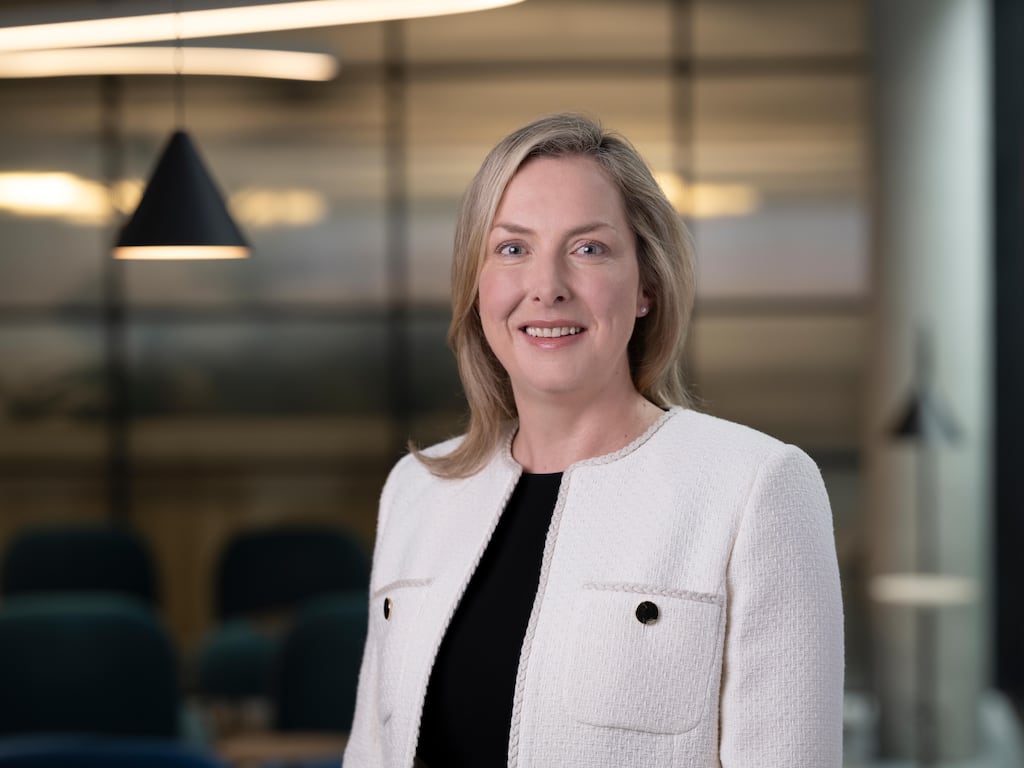
According to Caroline Kinsella, board and member services director at Institute of Directors (IoD) Ireland, this shift is becoming increasingly visible through the organisation’s work with boards and leadership teams across Ireland.
RM Block


“The expectations being placed on boards have changed significantly over recent years,” she says. “Boards are overseeing organisations through geopolitical uncertainty, digital transformation, AI disruption, cyber risk, regulatory obligations and growing stakeholder scrutiny. As a result, many organisations are thinking more strategically about the future capabilities and perspectives required around the board table.”
From board replacement to board renewal
Kinsella believes one of the most significant changes in governance today is the growing recognition that board succession planning should support long-term board effectiveness and the strategic direction of the organisation.
“As directors rotate off the board, boards are using those moments as an opportunity to reflect more broadly on board composition and the capabilities that may be needed over the next three to five years to help deliver an organisation’s strategy,” she explains.”
That shift is encouraging boards to move beyond simply seeking comparable experience to the outgoing director.
“Boards today are considering how they maintain the right balance of strategic insight, governance experience, sector knowledge and independence of thought in a highly challenging and dynamic environment,” she says. “They are also reflecting on how the board can continue to evolve alongside emerging areas such as AI and cyber security, alongside broader organisational transformation and changing stakeholder expectations.”
This broader and more forward-looking approach to succession planning is becoming particularly important as organisations navigate increasingly complex strategic and risk environments.

Moving beyond informal appointment processes
Demand for experienced independent non-executive directors has grown significantly in recent years as organisations strengthen governance structures, expand internationally and navigate greater operational complexity.
“Boards today are looking for far more than technical or sector expertise alone,” says Kinsella. “They are seeking individuals who bring sound judgment, governance maturity, strategic perspective and the ability to constructively challenge and support executive leadership.”
While Ireland benefits from a strong and experienced board talent pool, Kinsella believes many organisations are recognising the limitations of relying solely on informal appointment networks.
“For many years, board appointments in Ireland often happened through trusted personal connections and recommendations,” she says. “Relationships will always matter, but boards are increasingly recognising that relying exclusively on familiar networks can unintentionally narrow perspective and limit the diversity of the talent pool.”
As governance expectations continue to evolve, many organisations are adopting more structured and transparent approaches to board recruitment and succession planning.
“At IoD Ireland, through our board recruitment service, we are increasingly supporting organisations as they think more strategically about board composition and long-term governance effectiveness,” she says. “Boards are looking beyond simply filling vacancies. They are assessing the overall mix of skills, experience, leadership styles and perspectives required to support the organisation into the future.”
A governance-led approach to board recruitment
IoD Ireland’s board recruitment service works with organisations to identify and connect with experienced board-ready leaders, including independent non-executive directors, chairs and committee members from across a broad range of sectors and disciplines.
In Kinsella’s view, successful board recruitment involves not only identifying strong candidates, but also understanding the broader governance needs of the board and the mix of skills, experience and expertise required around the table.
“The strongest boards recognise that effective governance depends not only on individual expertise, but on having the right overall dynamic and balance around the table,” she explains. “That includes experience, independence, diversity of thought, constructive challenge and the ability to support long-term organisational oversight.”
The organisation is also seeing increased demand from boards seeking to strengthen their collective understanding of areas such as transformation, technology, cyber risk, sustainability and international growth, particularly where organisations are preparing for the next stage of development or change.
“Many boards are thinking more proactively about renewal than they may have done historically,” Kinsella says. “There is a growing recognition that board composition should evolve alongside the organisation itself.”
Succession planning as a strategic opportunity
For Kinsella, the distinction between reactive replacement and proactive renewal may ultimately define the effectiveness of boards in the years ahead.
“Done well, board renewal is a strategic opportunity,” she says. “Boards that proactively strengthen and refresh their composition are often better positioned to oversee transformation, manage risk effectively, support executive leadership and build long-term organisational resilience.”
She believes the strongest boards of the future will be those boards planning for renewal.
“They will be the boards already planning for it.”
IoD Ireland’s board recruitment service supports organisations in accessing experienced board-ready talent and strengthening long-term board effectiveness. Visit the IoD Ireland website for more information


