May is the month when common sense can often fly out the window for even the most seasoned of kitchen gardeners, to be temporarily replaced by a kind of euphoric optimism combined with a dutiful sense of tradition. Panicked by the knowledge that time is of the essence, dazzled by the newborn beauty of another growing season, and drunk on a “can-do” sense of what’s possible, we get carried away.
I say this as someone who has sometimes sowed so many lines of beetroot and kale that it was as if I was in some kind of fever dream. Who has sometimes grown so many courgette and tomato plants that I should, by rights, have lived off ratatouille for months on end. It’s a similar story for the endless lines of turnips I grew for way too many years, until it finally dawned that no one I knew – myself included – wanted to eat them.
Here’s what I’ve learned.
Despite what some garden books and websites might suggest, you’re in no way obliged to grow carrots if the tedious tasks of thinning them, weeding them and then protecting them from carrot fly – all essential to producing a good crop – feel too much like time-consuming chores. Likewise, growing onions is not mandatory, no one is going to think less of you for not growing cauliflower, and the task of producing celeriac of an edible size should be reserved for those with the patience of a saint.


Leeks, potatoes and parsnips are space-efficient, endlessly useful vegetables in the cold, dark days of winter and early spring when a heartening bowl of home-made soup is just what’s needed, so grow lots of them. Likewise, you can never, ever have enough purple sprouting broccoli. For all the wrong reasons, this is unfortunately also true of pea plants, which consume a ludicrous amount of growing space in comparison to the actual size of the crop they produce. But it’s not true of leafy salad crops, their polar opposite, which will pump out a wealth of delicious home-grown produce so long as you make sure to successionally sow small quantities every fortnight throughout the summer.
Home-grown sweet corn? Mouth-wateringly delicious when you get it right, but not easy to grow well, especially in a poor summer, so I don’t bother. Pumpkins and squash? Excellent for winter storage, and great if you have good soil, lots of growing space and a warm garden but forget it if your kitchen garden or allotment is shady and/or the size of a postage stamp. French beans? It’s best to concentrate on the climbing kinds such as ‘Cobra’ and ‘Blue Lake’, giving these heat-loving plants the warmest, most sheltered spot that you can.
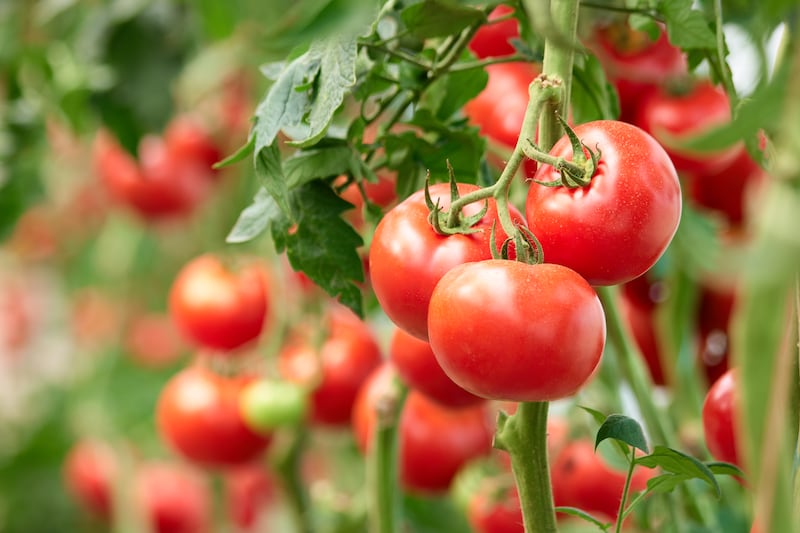
As for brassicas such as cabbage, kale, and Brussels sprouts, only grow them if you’re prepared to permanently net the plants against pigeons and cabbage white butterflies. Runner beans? These are reassuringly easy to grow, but only worth it if you’re rigorously disciplined about very regularly picking them before they get tough and stringy. Tomatoes? The home-grown kinds are mouth-wateringly delicious compared with their shop-bought equivalents but are demanding, time consuming and must have a warm, bright, sheltered space, ideally under cover, with protection from cool temperatures, wind and rain.
Of all the other lessons I’ve learned, probably the most important is that you’ll never grow good vegetables in bad soil. So take the time to prep it well before sowing or planting and it will pay you back in bucketloads.

Your compost heap is your friend here, but only if you feed it a balance of carbon and nitrogen-rich material, keep it warm, and protect it from rain. Even then, it will never produce enough material for the kinds of regular, generous organic mulches required to keep kitchen garden soil in good heart as well as to suppress fresh weed growth. Instead, you’ll need to supplement with well-rotted farmyard manure, leaf mould and/or seaweed, or a high-quality, organically-certified commercial product such as Gee-Up (geeup.ie) or Enrich (enrich.ie), both Irish-made.
For hungry soils lacking in key plant nutrients, I recommend adding a very high-quality, slow-release pelleted fertiliser approved for organic use such as Topmix or OSMO (not to be confused with Osmocote), available from suppliers such as Cork-based Fruithill Farm (fruithillfarm.com) and Dublin-based White’s Agri (whitesagri.ie). But follow the guidelines as regards recommended application rates, erring on the side of caution if in any doubt.
Soil aside, always use high-quality, fresh seed sourced from a reputable supplier. If you’re direct sowing into the ground rather than into trays or pots, ensure the soil is damp, friable and raked to a fine tilth, and gently water it before and after sowing, using a fine spray. If the weather is dry and sunny, covering any recently sowed rows with horticultural fleece will help keep the soil moist until germination occurs.
If you’re transplanting young module-raised vegetable plants into the ground, always pre-soak their root-balls first, ideally in a very diluted solution of liquid seaweed to boost root establishment, and always water in well. If those transplants were raised under cover of a polytunnel or glasshouse, then make sure to harden them off first. Failing that, temporarily cover them with a layer of fleece (weigh the edges down with some stones) until they have time to adjust to the cooler, more variable growing conditions of outdoors, especially when it comes to heat-loving species.
Last but most definitely not least, make sure to protect seedlings and young plants against damage from slugs and snails, which can obliterate precious months of growth overnight. A combination of good garden hygiene, handpicking at night, garlic-based foliar sprays and organically approved slug pellets will do a lot to keep them at bay.
This week in the garden
- Herbaceous perennials are in full growth this month, so provide some form of support for the delicate stems of taller varieties such as delphiniums, peonies and oriental poppies, which are prone to damage from strong winds and heavy rain.
- Thin out rows of direct-sown seedlings of vegetable and flowering annuals to encourage the development of strong, vigorous, productive plants. It’s often possible to quickly transplant these thinned seedlings rather than discard them on the compost heap, the exception being species with long tap roots such as carrots, parsnips, ammi, dill and orlaya, which typically resent disturbance.
Dates for your diary
RHS Chelsea Flower Show, London; Tuesday, May 19th to Saturday, May 23rd; rhs.org.uk.
Bord Bia Bloom Phoenix Park, Dublin; Thursday-Monday, May 28th-June 1st. This year’s show includes 20 show gardens, expert talks by gardeners, designers and plantspeople including Adam Frost, Diarmuid Gavin, Kitty Scully, Daphne Shackleton, TJ Maher, Vick Ind and Ealma Purcell, a nursery village, a garden design clinic in association with the GLDA, and an exhibition of botanical art. bordbiabloom.com