
Leisure travel is undoubtedly one of the most life-enriching things we can do, but while exploring new places at home and abroad can be as magical as it is memorable, things can and do go wrong.
And when that happens the magical and memorable moments turn into mini nightmares – and sometimes not so mini ones.
Holiday disasters can be enormously stressful and hideously expensive as we see first-hand on this page almost every single day.
Travel-related stories make up a significant percentage of the emails we get from readers who contact us after they have been let down by airlines, accommodation providers, car hire companies, banks and insurance companies.
RM Block


And of course we know that the stories we hear only scratch the surface of the potential mishaps that can happen when people are travelling overseas.
It is impossible to ensure that everything will go to plan every single time and bad things might well happen. People get sick, break limbs or worse, bags and passports get lost or stolen, muggings and break-ins happen, wildfires break out, flights are cancelled or delayed and all the rest.
But what do you do when things go wrong?
Don’t worry.
We have got you covered. Or at least we have some tips for what to do to keep the crises to a minimum.
1. First things first. Relax. Yes, we know the very worst thing you can say to anyone in the middle of a stressful situation is relax but it is the first and most important thing to do when things are starting to go pear-shaped while you’re travelling.
Many, many years ago, Pricewatch travelled to Atlanta for work while our only bag travelled to Seattle for the craic. We were predictably furious at the airport when we realised and started to express our upset to the man at the airport desk. “Sir, I will be more helpful and more likely to find your bag if you are nice to me,” he said. Wise words that have stayed with us ever since.
Losing your temper at a check-in desk or on a plane or screaming down the phone at some low-paid call centre operative, travel rep or hotel receptionist is very, very unlikely to make any situation better so – if at all possible – keep your cool and breathe. It will be better for you in the long run.
2. Plan, plan, plan. While you can’t protect yourself completely by planning, it is amazing how much heartache can be avoided with just a little bit of research. Before you book a flight or hire a car or arrange for accommodation, make sure you have even a passing acquaintance with the terms and conditions you are agreeing to.
If an airline has rules around baggage or boarding cards or seating arrangements and you don’t stick to them, then you can expect to be penalised and there is little point in giving out about it. If you book a non-refundable hotel room you cannot expect a refund if something happens and you can’t use it.
And if you agree to an excess when hiring a car and are involved in a tip you will pay the price.
And before spending any money spend a few minutes googling the providers and looking at the reviews on Tripadvisor and Trustpilot. If things seem sketchy, then consider spending your money elsewhere.
3. Keep the best of records. If things go awry when you go away, you will have to access documentation – boarding passes, travel insurance documents, passport information and all the rest. So, as soon as you have finished reading this article, create a dedicated travel folder in your gmail account – or whatever email provider you have that you can access anywhere in the world.
Move all booking details and email correspondence and important documentation – including pictures of your passport and copies of your travel insurance policy – to that folder.
If you are travelling as part of a couple make sure both parties have access to the folder. Then if things go wrong with any aspect of your travel itinerary you will know where to look to find what you might need to make things right.
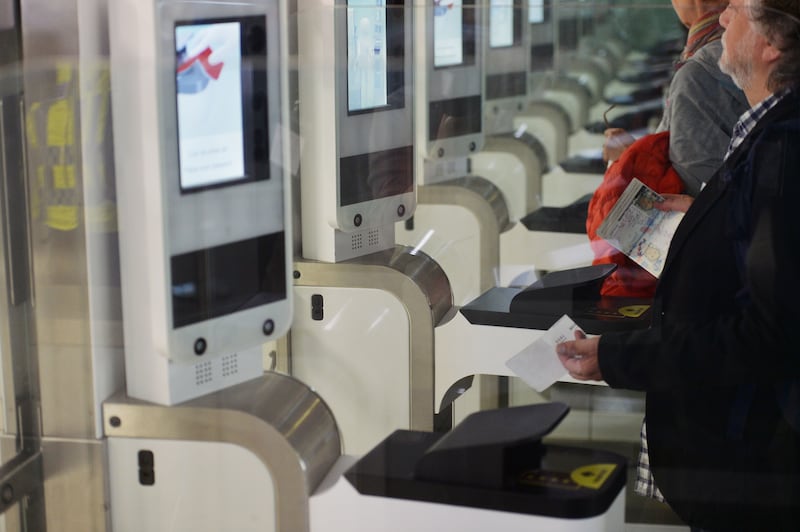
4. Passports are the most essential document you can travel with and if you don’t have one already, get yourself a passport card as well. It costs €35 although it only lasts for five years which is half the time an actual passport lasts. If there is a good reason for that we certainly can’t think of it, but we digress. The passport card is a handy thing to have in case your actual passport is lost, stolen or damaged beyond repair while you are travelling overseas. Oh and whatever you do, make sure you don’t store both documents in the same place.
5. If your passport is stolen, the first thing you do is report it to the local police and get a police report to prove you have done that. The Department of Foreign Affairs makes it clear they will require a police report. Once you have that you contact the nearest Irish embassy or consulate to alert them and get a sense of the next steps. If you don’t have a passport card secured, fill in the emergency travel document application and alert your airline of the issue.
6. Protect your health. Sign up for a European Health Insurance Card (Ehic) if you haven’t yet done it and even if you have, it must be renewed every five years. It allows you to be treated like a citizen of whatever EU country you’re in if you need medical attention. It’s free, although some sites that appear prominently on search engines try to attach a fee to the application. Only apply through ehic.ie. You will have a physical copy of the card but you can also store it in the HSE Health app which means you don’t have to worry about finding the card as you are lying on the side of a road having broken your ankle in an unfortunate trampolining incident.
7. As soon as you have booked a trip, take out your travel insurance or better still get yourself an annual multi-trip policy. It doesn’t get cheaper closer to your holiday and, without wanting to be a downer, almost half the claims we make are filed before travel, with illness and death the most likely reasons for cancellations.
8. If you or someone you are travelling with falls ill or suffers any ailment ranging from a heart attack to a broken leg, you will have to follow the following steps. First, get to a doctor or call an ambulance and remember that to call emergency services in Europe you dial 112. Use Google Translate to get the words for whatever is wrong and make sure you have the address to hand.
If you are brought to hospital or can make it there under your own steam, you should make contact with your travel insurance provider as soon as possible. We are not going to say they should be your first call but they certainly should be close to the top of the list.
Make sure to keep all receipts and have everything carefully documented. Insurance companies don’t get rich by being relaxed with their money and many of them may look for reasons to avoid paying out. Don’t make it easy for them by letting the paper trail go cold.
In the most serious cases, make sure your insurance company will foot the bill for any medical evacuation or air ambulance that is required and cover the cost of next of kin travelling to the area.
9. In the event that someone you are travelling with passes away, there will be steps you or someone close to you will need to follow. The local authorities will have to be notified and the Irish embassy contacted. You will also have to make contact with a funeral director at home who should be able to arrange for repatriation when the time comes.
10. There are many reasons why someone may fall foul of the law overseas and find themselves arrested. The reasons could be as simple as a traffic offence or because of booze fuelled high jinks gone badly wrong to drug busts to an egregious misunderstanding of the local laws.
Getting arrested at home is a scary enough prospect for most people and having it happen overseas is doubly so. First seek the support of the Irish Embassy and ask for legal representation. Bear in mind that embassies cannot work towards getting you released or interfere with any court proceedings and embassy officials will not pay fines on your behalf. Officials can, however, visit you and make contact with your family as well as offering support in tracking down a local legal representative.
11. When you travel keep your bank in the loop. It seems ridiculous, but telling your bank you’re going away might stop them cancelling or putting a hold on your card if you have the temerity to use it in Tangier.
12. If you have been the victim of a robbery or mugging, the first and arguably most important thing to do is get yourself to a safe place and stay there. Make contact with the police and outline what has happened, making sure to get a full police report which you will need to make a claim on your travel insurance. Make sure to alert your travel insurance provider and contact your bank to cancel your credit cards. Work out what you need to do to secure emergency funds and get that sorted out.
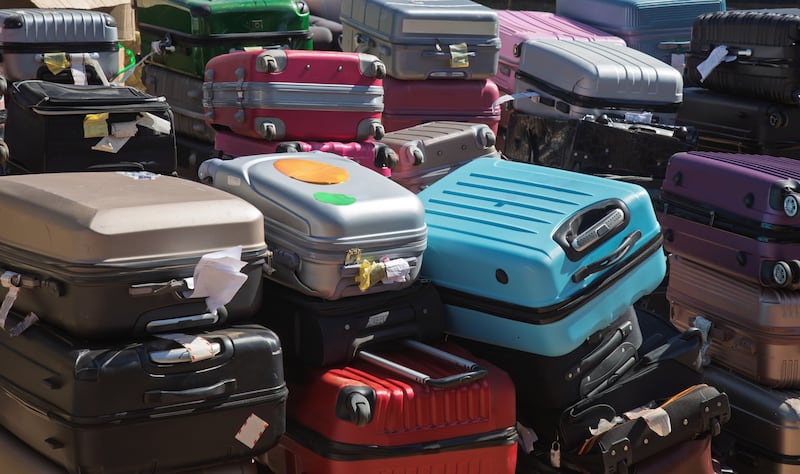
13. Given the complexity of air travel it is a wonder more bags aren’t lost. If you do suffer the misfortune to be the person standing at the baggage carousel with that sinking feeling, you have some very clear steps to follow. First, report the missing bag at the airline’s baggage services desk and complete a Property Irregularity Report (PIR). Whatever you do, do not leave without a copy of the report and the reference number. Keep your baggage tag, your boarding pass and any receipts relating to your journey, as you will need them if you have to make a subsequent claim.
14. Generally speaking, bags are located and returned within a few days but if you are left waiting ask about the airline’s reimbursement policies for essential purchases such as toiletries and a change of clothes. Buy what you need and keep all receipts. If the bag is officially declared lost – typically after around 21 days – you should submit a formal compensation claim to the airline, including an inventory of the bag’s contents and, where possible, proof of purchase for valuable items. Bear in mind that compensation for lost baggage is subject to a maximum limit and if the Picasso etching you were bringing on holiday is lost forever you might struggle to get anything back for it.
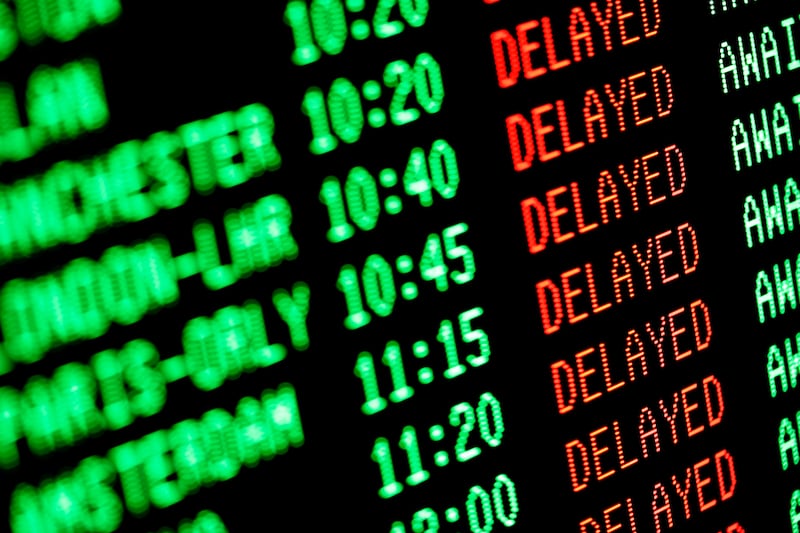
15. Flight cancellations and delays are the big ones. Consumers have well-established rights under European law and EU Regulation 261 says airlines must offer you a refund or a rerouting on the next available flight, or at a later time of your choosing. If you are stranded, the airline is obliged to provide care and assistance – including food, accommodation, transport and refunds of reasonable expenses – until it can fly you home.

16. Reasonable expenses are not boundless, but if you stay in a modestly priced hotel and eat in modestly priced restaurants, you will be able to claim that money back. First you send copies – and not originals – of all receipts to your airline and include booking references, passenger names, original and new flight details. Remember you are not looking for compensation. If you have a problem with an airline for example and a flight has been cancelled due to weather or a strike, you have certain rights and the airline has certain obligations but if you contact the airline and use the word compensation, your claim will probably be rejected quickly because compensation only applies in certain cases. So pay attention to the words you use. If however you seek reimbursement under EU regulation 261, you should get your money back in double quick time. If you haven’t got the money back within a month, you can complain to the Irish Aviation Authority. But hopefully it won’t come to that.
17. Rental car woes are commonplace, as a report from the Competition and Consumer Protection Commission earlier this year highlighted how as many as two in five Irish holidaymakers who hired a car overseas last year experienced difficulties – with long waiting times, hidden fees and misleading descriptions among the most common problems.
Not many people know that you have a fairly small window in which to pick up your car and if that window closes because your flight was delayed by six hours you might see your booking cancelled. If you find yourself at your departure airport facing a long delay make sure to contact the car hire company and tell them you will be late. That makes it much harder for them to cancel your booking and sell your car to someone else.
According to the CCPC, one of the frequent problems consumers face is booking with a debit card and then arriving at the desk and hoping to be able to drive off after providing the same debit card to the staff in the airport. Some car hire companies do accept debit cards, but many – particularly the smaller ones – do not. If you have any doubt you might be as well off to bring a credit card in the name of the person making the booking.
18. Most car hire companies will try to sell you super-collision-damage-waiver insurance when you are picking up the car. They do this not because they are looking out for your best interests but because it is expensive and helps them to maximise their profits. That is not to say that you should always say no. It might add hundreds of euro to the cost of renting a car for a fortnight but it might also save you far more than that if you have the misfortune to drive into a bollard in a supermarket car park. Taking out the extra insurance also means the hire company won’t freeze a fairly hefty deposit on your credit card. It does depend on the funds you have and your appetite for risk but at the very least you should give the matter some thought before you get to the car hire desk so you are not strong-armed into making the wrong decision for you.
If you see any scrapes or dents, bring them to the attention of the staff before leaving the airport. And spend 60 seconds filming the inside and outside of the car on your phone before mailing the footage to yourself immediately, so you have incontrovertible proof of the state of the car at pickup. Some companies have an annoying tendency to add charges to your credit card weeks – even months – after you get home to cover damage, fines, tolls and more and it pays to be vigilant.
19. Accommodation problems. If your accommodation is not what you were expecting – if it is dirty, dangerous, or otherwise dodgy – highlight your concerns immediately. Be polite but firm, as you say what’s wrong. Allow them the chance to put things right. Take photographs and keep copies of any messages or receipts, if you need to pursue a complaint later.
If you can’t resolve the problem, contact the company or booking platform through which you made the reservation and submit your evidence. Keep a record of all conversations and correspondence, and if necessary, follow the provider’s formal complaints procedure once you return home.
20. Contact the right people. The Irish Aviation Authority manages airline passenger rights and has oversight of the package holiday sector. When it comes to ferries, the National Transport Authority is your key contact. If you are looking for redress for things that have gone wrong within Ireland, you might be able to go to the Small Claims Court or the Competition and Consumer Protection Commission, while if you have a problem with a supplier in another country the European Consumer Centre can help.
Oh and one more thing. If you have ever had a holiday disaster and would like to share your experience with us, drop us a line at pricewatch@irishtimes.com
[ Share your staycation experience: is holidaying in Ireland value for money?Opens in new window ]