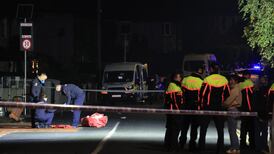

For almost a week there were blockades and go-slows which severely disrupted the country’s road network and Dublin city centre was at a standstill for several days.
By the weekend a third of the country’s service stations were out of petrol and diesel because fuel depots were under siege.
The Garda was out in force from start; on the streets, beside fuel depots, on motorways – watching.
So what changed on Thursday? Why did the policing response notch up several gears? Did gardaí expect the Defence Forces to join them on the streets and did the army know Minister for Justice Jim O’Callaghan was about to call on it to act?
Garda Representative Association calls off work-to-rule after progress in negotiations

‘Mood music’ improves in pay talks, though uncertainty sees strike planning proceed

Russell Brand sentenced to 10 years and six months for rape of fan and sexual assault of three media staffers

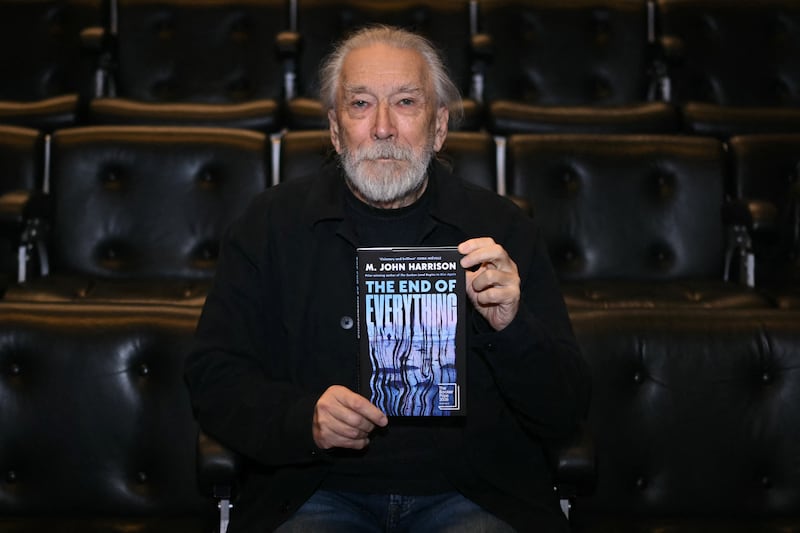
Booker Prize 2026: M John Harrison wins for The End of Everything
While it was called a fuel protest – about rising prices – it became clear that anger at the Government motivated many who took to the streets.
Irish Times crime and security editor Conor Lally assesses the policing response to the largest protest in the State.
Presented by Bernice Harrison. Produced by Aideen Finnegan.